
Are Heat Pumps a New Technology?
No. Heat pumps are a well-established technology with roots going back over 150 years. The scientific principles behind them were described in the 19th century, and practical systems have been in use since the early 20th century. What’s new is not the technology itself, but how widely it is now being adopted as countries look for low-carbon ways to heat buildings.
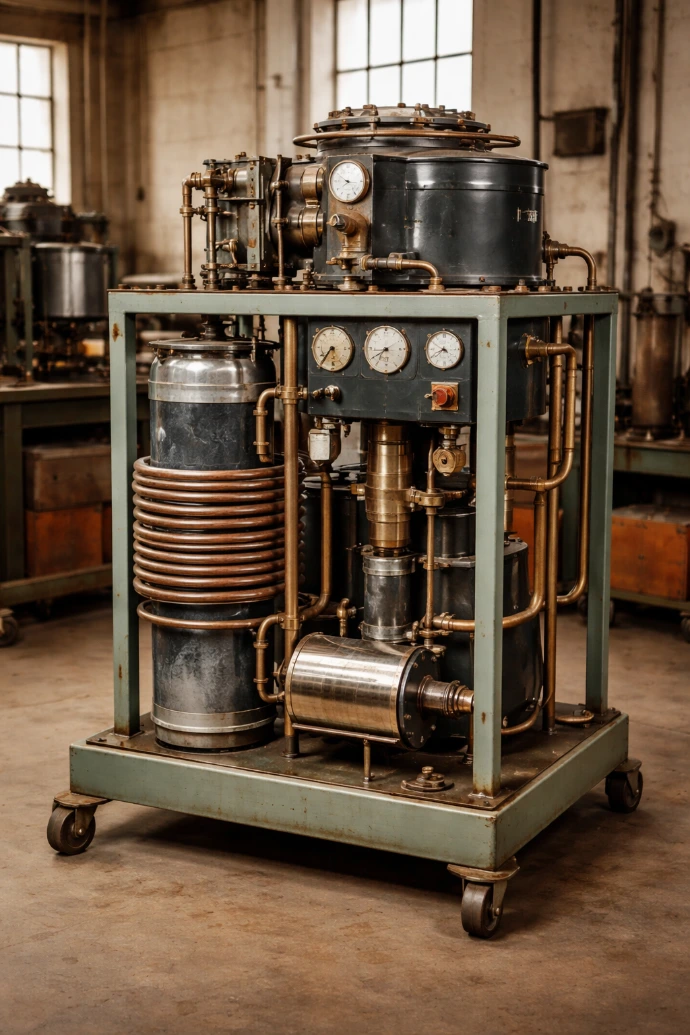
When Were Heat Pumps First Invented?
The underlying idea dates to the mid-1800s, when scientists discovered that you can use a small amount of energy to move heat from one place to another. This is the same principle used in refrigerators and air conditioners. By the early 1900s, engineers were already building large heat pump systems for industry and some buildings.
When did Heat Pumps Start Being used at Scale?
Heat pumps began to be used at meaningful scale from the 1930s and 1940s, including in large buildings and early district heating systems in parts of Europe.
A major turning point came in the 1970s during the global oil crises. Many countries wanted to reduce their reliance on imported fossil fuels, and heat pumps—powered by electricity—became an attractive alternative. From that point on, installation numbers grew steadily.
Which Countries have been using Heat Pumps the Longest?
Several countries have decades of experience with heat pumps, particularly in colder climates.
The Nordic countries, for example, have been using heat pumps widely since the 1970s and 1980s. Sweden, Norway and Finland invested early because they had strong electricity supplies and wanted more energy independence. Today, heat pumps are a normal, mainstream way to heat homes there—even in very cold winters.
Japan is another long-time user, with heat pump air conditioners becoming common in homes from the late 20th century onward. Many Japanese homes rely on heat pump systems for both heating and cooling.
When did Heat Pumps start being used in the UK?
Heat pumps have been present in the UK for decades, but mostly in niche or commercial applications at first.
Wider public awareness and adoption began to grow in the 2000s and especially the 2010s, helped by government incentives and increasing focus on reducing carbon emissions. Compared with some other countries, the UK is earlier in its mass-adoption journey—but it is catching up quickly.
Thermal Earth was one of the pioneers in introducing heat pumps to Wales.
Since 2006, we've been designing and installing renewable heating systems for homes and businesses across the UK.
Why are Heat Pumps becoming Popular now if they’re not New?
Three main reasons:
Energy efficiency: Heat pumps can deliver more heat energy than the electrical energy they use.
Lower carbon emissions: As electricity grids get greener, heat pumps become a low-carbon heating option.
Energy security and costs: Reducing reliance on fossil fuels can protect households from fuel price volatility.
In short, the world has changed in a way that makes heat pumps more attractive, even though the technology itself is long proven.
So are Heat Pumps a “Tested” Solution?
Yes. Heat pumps are not experimental or unproven. They are a mature technology used by millions of homes and businesses worldwide. The growing interest today is about scaling up something that already works, not trialling something unknown.
Accreditations
Fully certified and accredited by leading industry bodies






Accreditations
Fully certified and accredited by leading industry bodies