Heat pump, solar, battery and EV charging — run as one system.
Heat pumps, solar PV, batteries and EV charging can be coordinated to use more electricity on site and shift demand to suitable tariff periods. We assess equipment compatibility, controls and your energy use before agreeing what the system will do.
One management system, deciding for every device.
An Energy Management System (EMS) can coordinate compatible equipment. The controls, supported devices and information available to it are confirmed during design; we do not assume every product connects to one platform.
Monitor
Confirm which generation, consumption and tariff information the selected controls can read.
Decide
Set schedules around the tariff, available generation, storage and the building’s needs.
Coordinate
Compatible devices may be scheduled around solar generation or off-peak tariffs, while maintaining heating and hot-water requirements.
Deliver
Compare expected self-consumption and running costs, and confirm the monitoring available from the selected equipment.
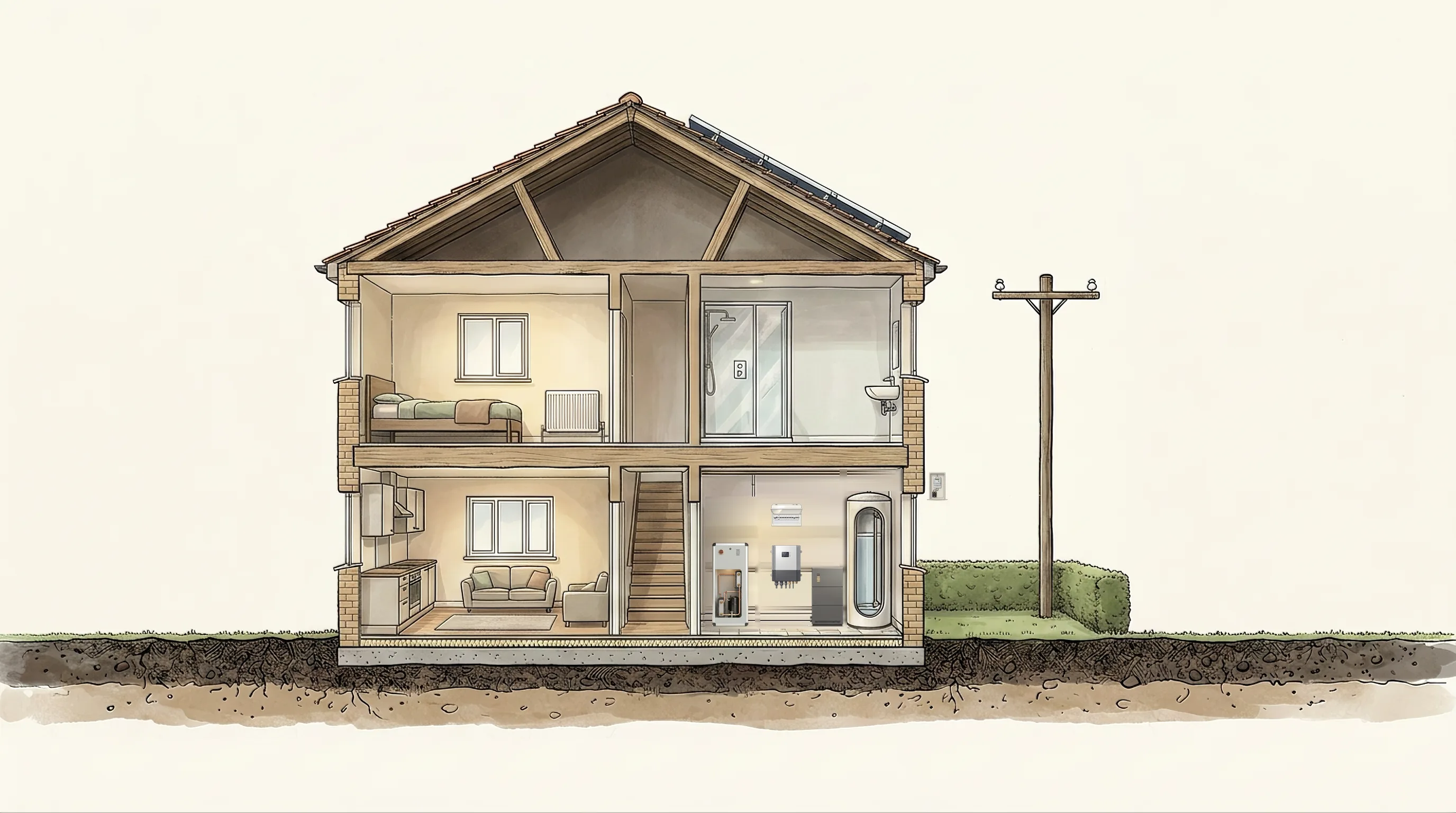
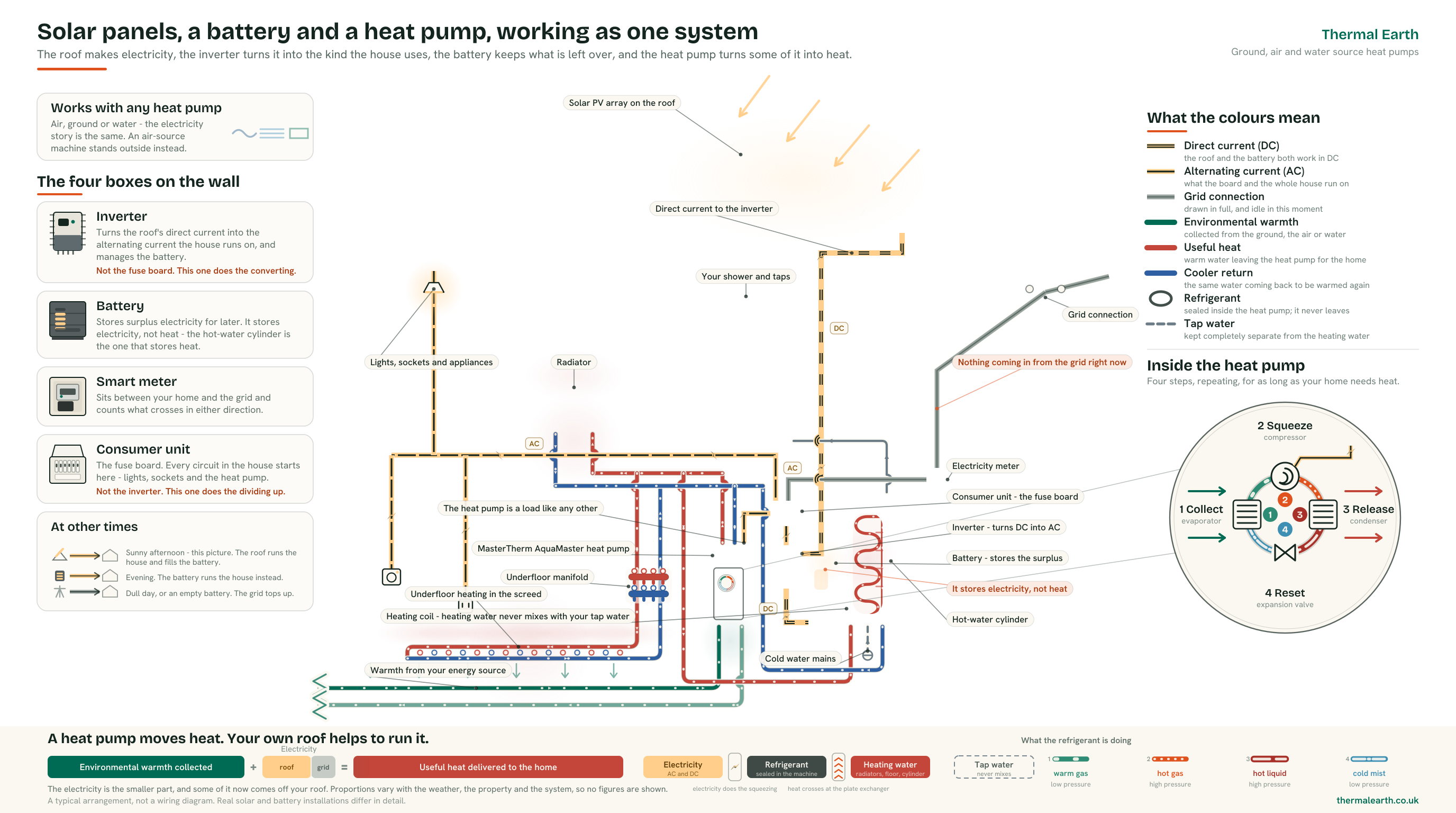
Scroll the picture sideways to see all of it. Every label is written out below.
Solar panels, a battery and a heat pump, working as one system
What is in the picture
- Environmental warmth collected from the ground, air or water Warmth from your energy source
- Heating water: warm out to the home, cooler back Hot-water cylinder; MasterTherm AquaMaster heat pump; Heating coil - heating water never mixes with your tap water; Underfloor heating in the screed; Underfloor manifold; Radiator
- Tap water, kept completely separate from the heating water Your shower and taps; Cold water mains
- The grid connection, drawn but not running at this moment Electricity meter; Grid connection
- Alternating current from the inverter to the board and the house Consumer unit - the fuse board; Lights, sockets and appliances; The heat pump is a load like any other
- Direct current from the roof to the inverter and the battery Solar PV array on the roof; Direct current to the inverter; Inverter - turns DC into AC; Battery - stores the surplus
- Refrigerant sealed inside the heat pump
The four steps inside the heat pump
- 1 Collect evaporator Environmental energy warms the refrigerant until it boils. It leaves as a warm gas at low pressure.
- 2 Squeeze compressor Electricity drives the compressor, squeezing that gas into a much smaller space. It leaves hot and at high pressure.
- 3 Release condenser The hot gas hands its heat to your heating water and condenses. It leaves as a hot liquid, still at high pressure.
- 4 Reset expansion valve A valve drops the pressure and the liquid flashes cold. It leaves as a cold mist, ready to collect more.
Four technologies, working to one plan.
Integration can start with a heat pump and solar PV. Battery storage or EV charging may add flexibility, subject to compatibility and a cost assessment.
Solar PV
Compatible controls can direct solar surplus to suitable loads or storage. The available functions depend on the equipment and agreed design.
Battery storage
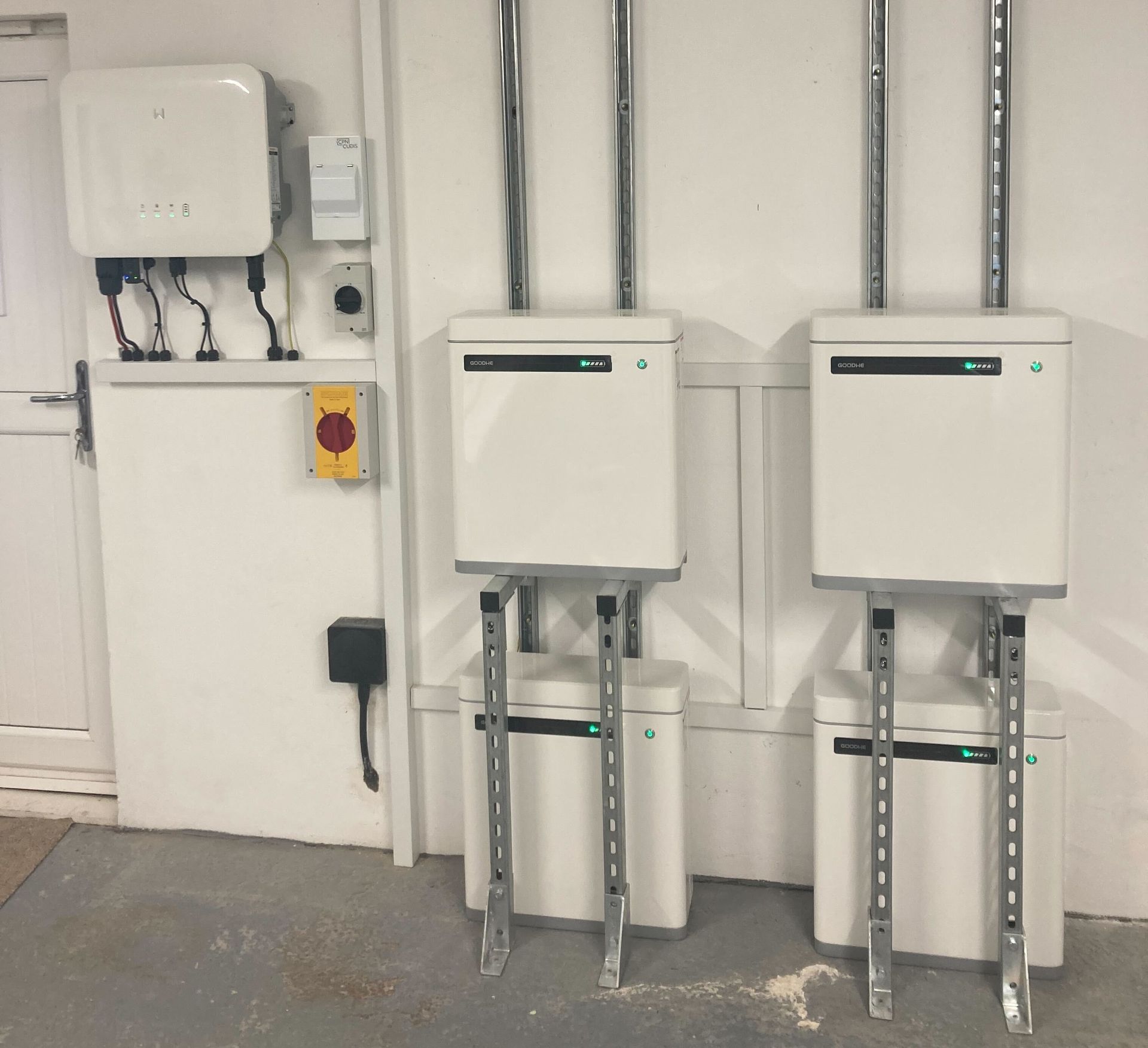
Batteries charge from solar surplus or cheap off-peak electricity and discharge through expensive peak periods — peak shaving that cuts what the site imports when prices are highest.
Heat pump
Heating cycles are scheduled to coincide with solar generation or low-cost tariff windows and coordinated with the battery to avoid peak periods. MasterTherm units add their own remote supervision through MasterTherm Online.
EV charging
Vehicles charge when electricity is cheapest or when solar generation peaks — without overloading the site's supply.
Built for the way electricity is priced now.
Time-of-use tariffs offer different prices during the day. Compatible controls may schedule heating, hot water or EV charging around those periods, within the comfort and operating limits agreed for the site.
Battery capacity, tariff terms and export arrangements affect when storage is useful. We assess those limits before recommending a control strategy.
Integration for homes and commercial buildings.
Homes and residential
- Whole-home coordination
Heat pump, solar PV and battery working together, with smart EV charging from solar surplus.
- Time-of-use optimisation
Automatic scheduling around variable tariffs to cut import costs and carbon.
- Remote monitoring
Live generation, consumption and battery levels from an app or browser.
Commercial and industrial
- Solar PV and battery storage
Coordinate generation and storage around the site’s demand, electrical supply and tariff.
- Demand-charge control
Assess whether shifting demand or using storage can reduce peak imports under the site’s tariff.
- Monitoring and reporting
Continuous supervision with alerts and detailed reporting for site operators.
System integration, answered.
Ready to run your site as one system?
Whether you already have solar and a heat pump or you are starting from scratch, our in-house team can design an integrated system around your site — and show you what it will do before anything is installed.