Air source
An outdoor unit extracts heat from outside air. It usually needs less ground work, while location, airflow and sound must be assessed.
Explore air sourceA heat pump moves heat from the air, ground or water into your home rather than creating it from scratch. Electricity powers the process; most of the heat delivered comes from the surrounding environment.
No EPC? Send an enquiry or call 01269 833100. We can check the evidence needed for your property.
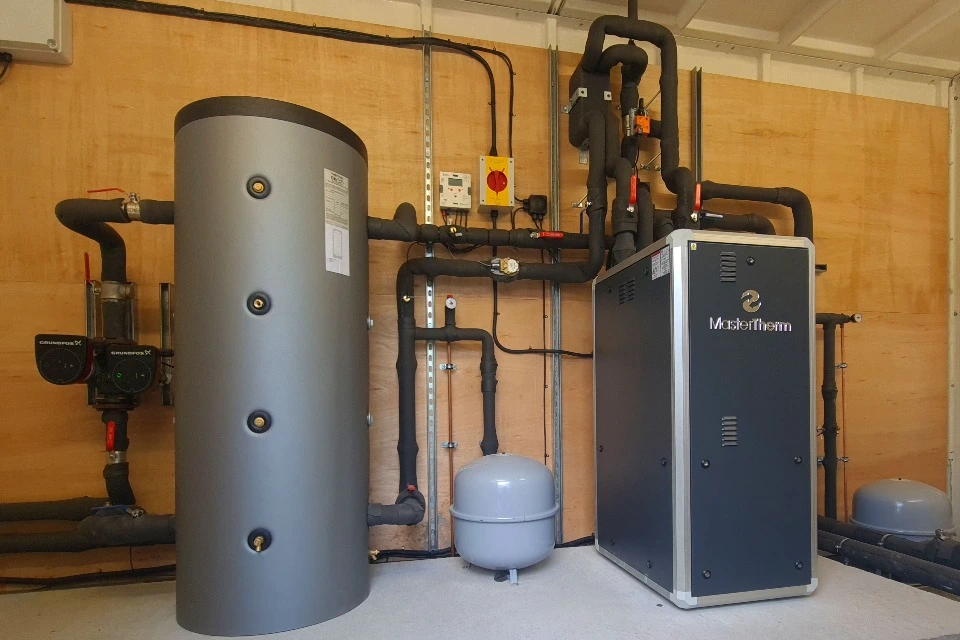
A completed Thermal Earth heat-pump plant room.
The same refrigeration cycle sits behind air, ground and water-source heat pumps.
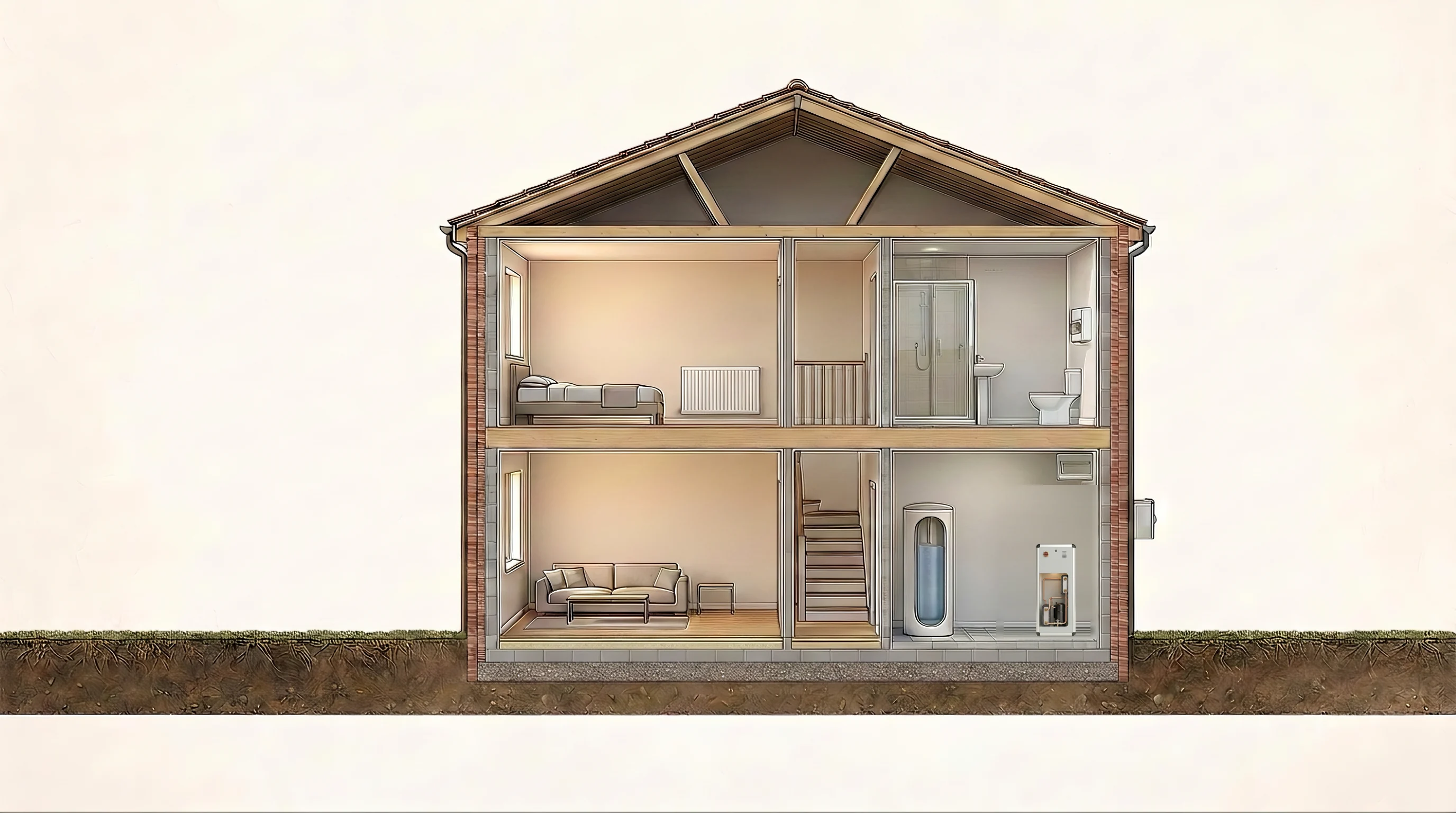

Scroll the picture sideways to see all of it. Every label is written out below.
How a heat pump moves energy into your home
Air, ground or water. A home collects from one of them, never all three. This picture shows the ground; each one has its own page.
Shown at all times: Heat pump.
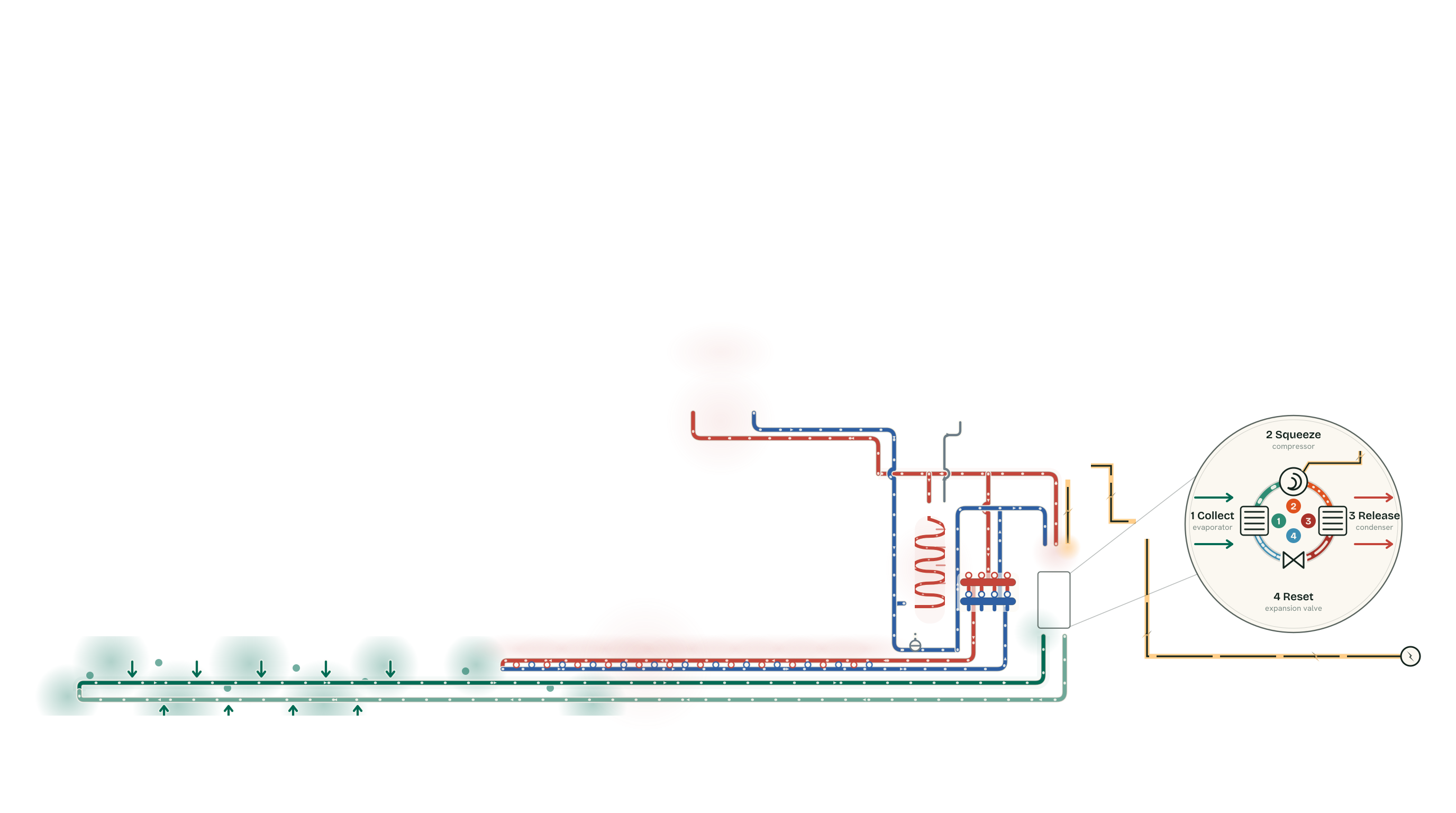
One house, drawn straight on so nothing is hidden. The heat pump is the small cabinet on the right of the plant room, and it is the only machine in the picture.
A sealed loop of fluid runs through the soil under the garden. The soil is a little warmer than the fluid, so warmth crosses into the pipe. Nothing is taken out of the ground but heat.
The warmed fluid comes up into the base of the heat pump and the cooled fluid goes straight back down. Warm water leaves the top of the machine for the cylinder, the floor and the radiators; cooler water comes back the same way.
This is the only part of the whole picture that uses electricity. A sealed refrigerant goes round and round, and at each of the four stations it visibly changes.
Warm water runs to the pipes buried in the ground-floor screed, up to the radiator, and through a sealed coil inside the hot-water cylinder. Your tap water never touches it.
The electricity is the smaller part. Most of the heat was already outside, waiting to be gathered up.
Proportions vary with the weather, the property and the system, so no figures are shown.
Environmental energy warms the refrigerant.
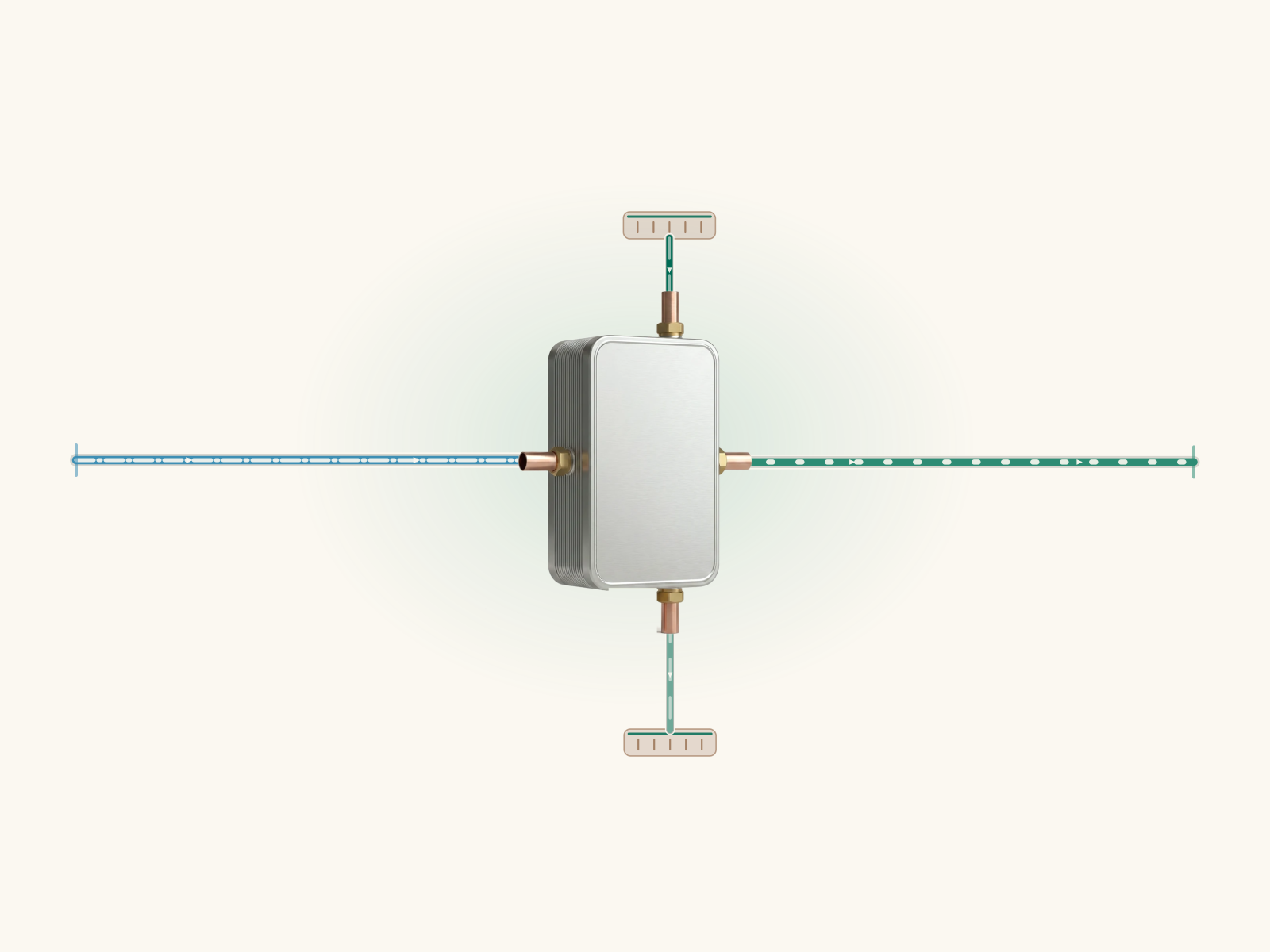
The same substance, before and after. It arrives on the left, passes through the one component this step is about, and leaves on the right as something visibly different.
The component itself. Its texture, its ports and the pipe stubs are the same drawing the wide picture carries - only closer.
Fluid from outside arrives only slightly warm. The refrigerant inside is colder still, so heat crosses into it.
That warmth makes the refrigerant boil. It stops being a cold misty liquid and becomes a gas.
The pressure barely moves. It is the phase that changes.
Only heat crosses the metal wall. The fluid from outside and the refrigerant stay in separate sealed circuits and never mix.
One of four steps. They repeat, in order, for as long as your home is asking for heat.
The compressor uses electricity to raise the temperature.
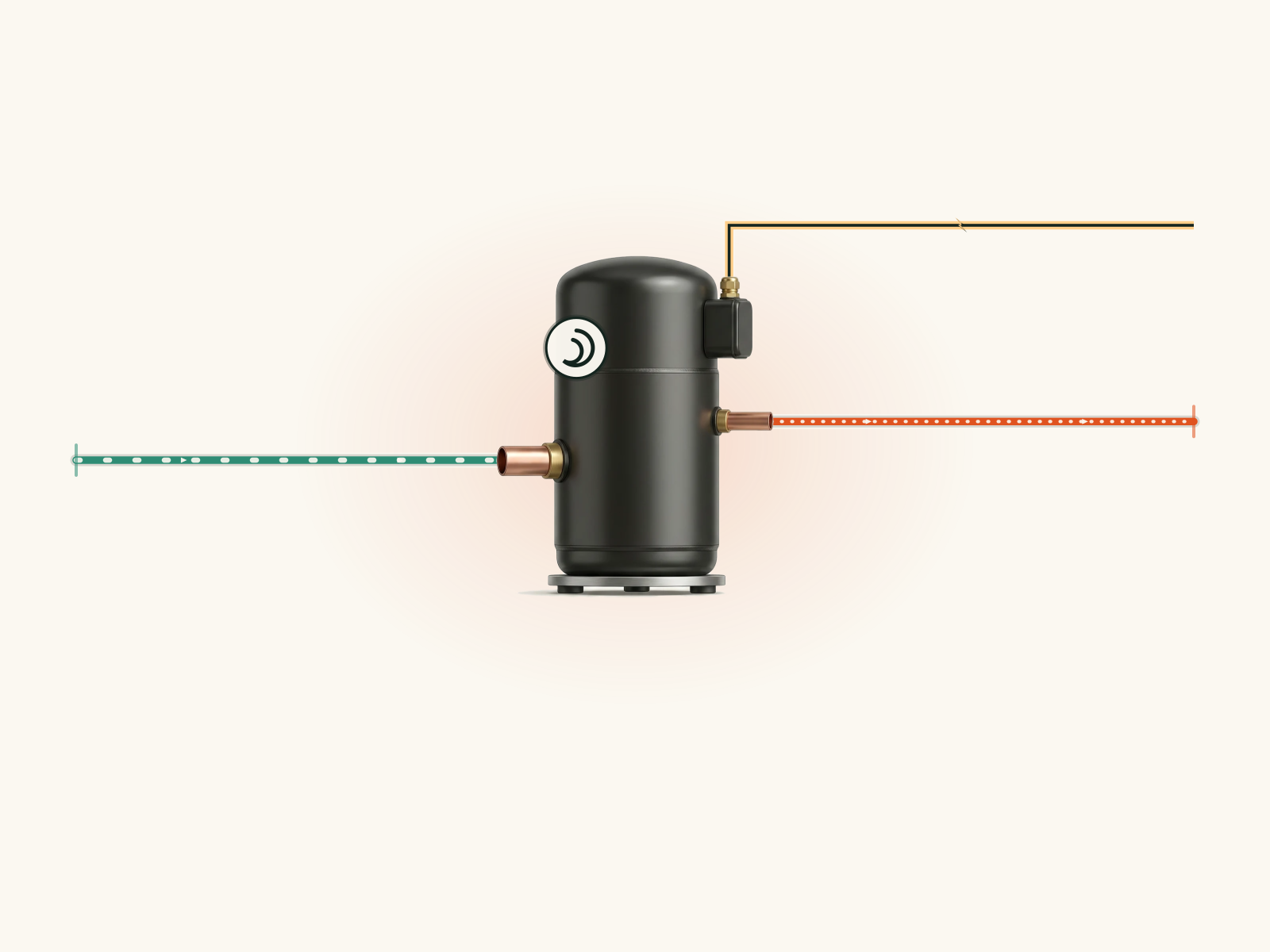
The same substance, before and after. It arrives on the left, passes through the one component this step is about, and leaves on the right as something visibly different.
The component itself. Its texture, its ports and the pipe stubs are the same drawing the wide picture carries - only closer.
The compressor is the only part of the cycle that uses power. It squeezes the gas into a much smaller space.
Squeezing a gas raises its pressure, and raising its pressure raises its temperature.
The gas leaves hotter than anything in your home needs to be - and it leaves higher up.
The power goes into the squeeze, not into the heat. Most of the warmth you end up with was already outside before the compressor started.
One of four steps. They repeat, in order, for as long as your home is asking for heat.
Heat is transferred into the home's heating water.
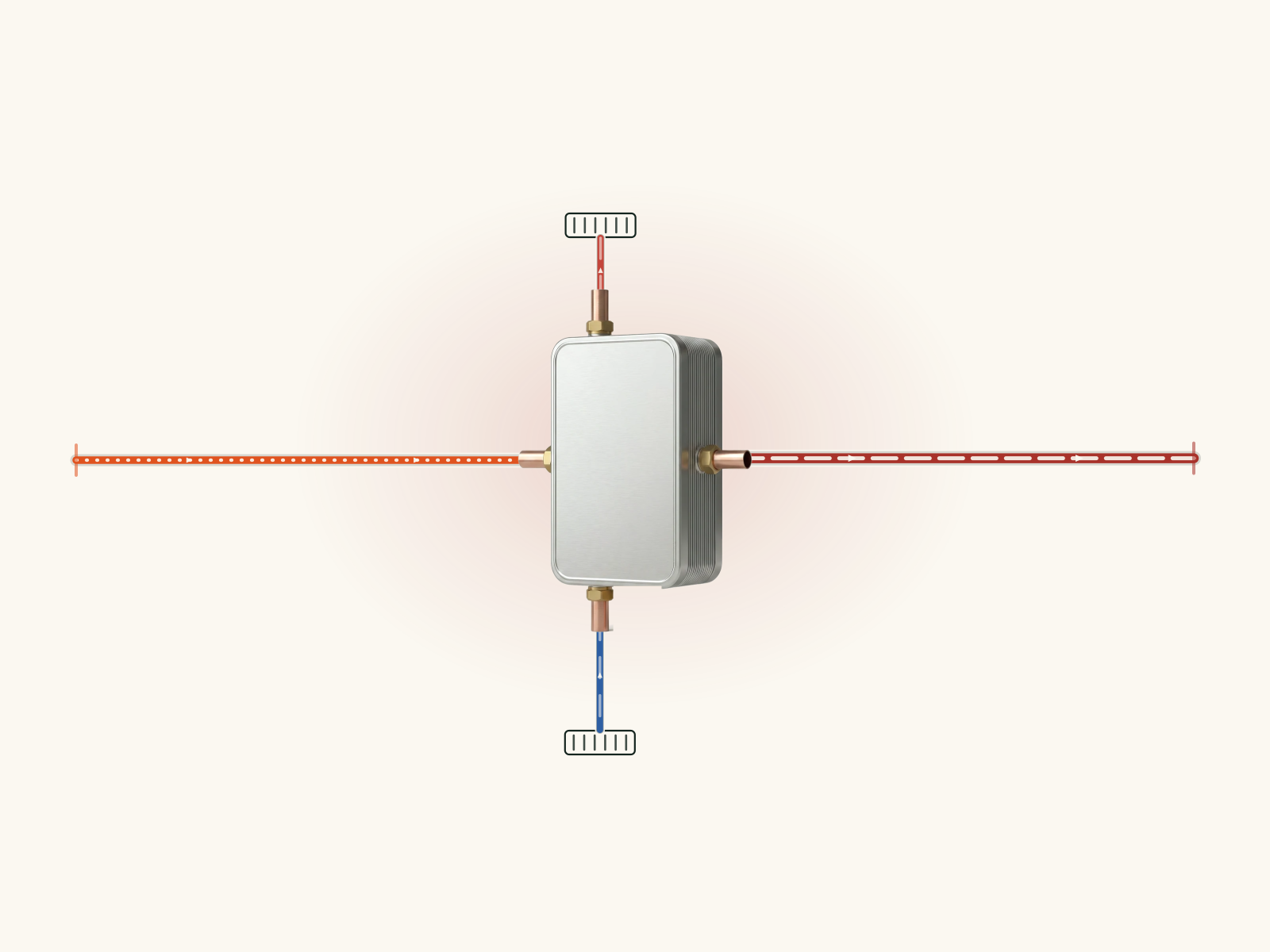
The same substance, before and after. It arrives on the left, passes through the one component this step is about, and leaves on the right as something visibly different.
The component itself. Its texture, its ports and the pipe stubs are the same drawing the wide picture carries - only closer.
The hot gas meets water that is cooler than it is, so the heat crosses the wall the other way.
Giving up that heat makes the gas condense. The bubbles disappear and it runs as a hot liquid.
The water leaves warm enough for radiators, underfloor pipes and the hot-water cylinder.
Only heat crosses the metal wall. Your heating water and the refrigerant stay in separate sealed circuits and never mix.
One of four steps. They repeat, in order, for as long as your home is asking for heat.
The refrigerant cools and the cycle begins again.
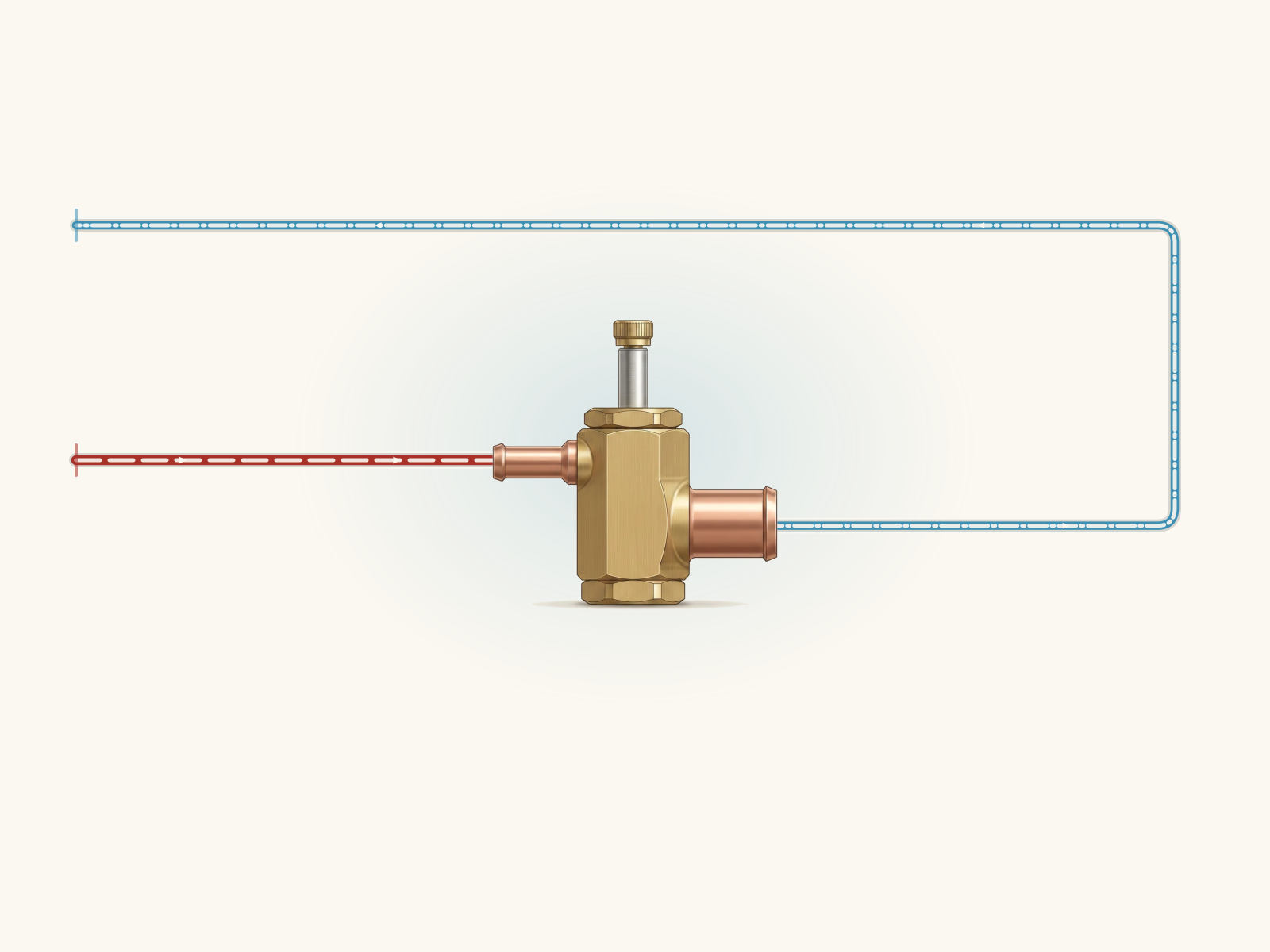
The same substance, before and after. It arrives on the left, passes through the one component this step is about, and leaves on the right as something visibly different.
The component itself. Its texture, its ports and the pipe stubs are the same drawing the wide picture carries - only closer.
The valve is a deliberate bottleneck. High-pressure liquid is forced through a tiny machined opening.
On the far side there is far less pressure, so the liquid drops in temperature and part of it flashes back to mist.
It leaves colder than the ground outside - which is exactly what Step 1 needs.
Squeezing a gas heats it, so letting a liquid out into space cools it. The valve does the compressor's job in reverse, and it needs no power at all.
One of four steps. They repeat, in order, for as long as your home is asking for heat.
Site conditions, available space and the building's needs determine which route is worth assessing.
An outdoor unit extracts heat from outside air. It usually needs less ground work, while location, airflow and sound must be assessed.
Explore air sourceHorizontal collectors or boreholes absorb heat from the ground. The ground array is designed around the site's conditions and heat demand.
Explore ground sourceA suitable water source can provide heat where permissions, environmental considerations and site-specific design allow.
Explore water sourceUseful comparison figures—but not a promise of one home's running cost.
Compares heat output with electricity input at a stated operating point. A COP of 3 means three units of heat for each unit of electricity under those test conditions.
A standardised product rating representative of a reference heating season. It compares heat output with electricity use across that season, rather than at just one operating point.
Your completed system: performance also depends on source temperature, heating-water temperature, sizing, emitters, controls, commissioning and how the home is used.
Neither COP nor SCOP guarantees an individual home's running cost.
A heat pump cannot be assessed in isolation from the building, emitters and controls around it.
Room-by-room heat loss helps establish the output the building needs at design conditions.
Radiators or underfloor heating must provide the required heat at the selected heating-water temperature.
Settings, weather compensation and commissioning influence how the completed system operates.
Many heat-pump systems supply heating water to underfloor heating or radiators and can also provide domestic hot water when designed with suitable storage and controls.
Heat pumps often operate most efficiently at lower heating-water temperatures, so emitter sizes, pipework and controls should be considered as part of the design.
Start with a home estimate or ask the Thermal Earth team about the next step.