
Switching to an air source heat pump is one of the most impactful ways UK homeowners reduce heating bills and carbon emission.
One of the biggest questions we hear is simple: how much will it cost?
Key Figures at a Glance
• Typical install before grants: £7,000–£15,000
• After £7,500 Boiler Upgrade Scheme support: from £0–£7,500+
• Installation time: 2–3 daysFirst off - What Is an Air Source Heat Pump?
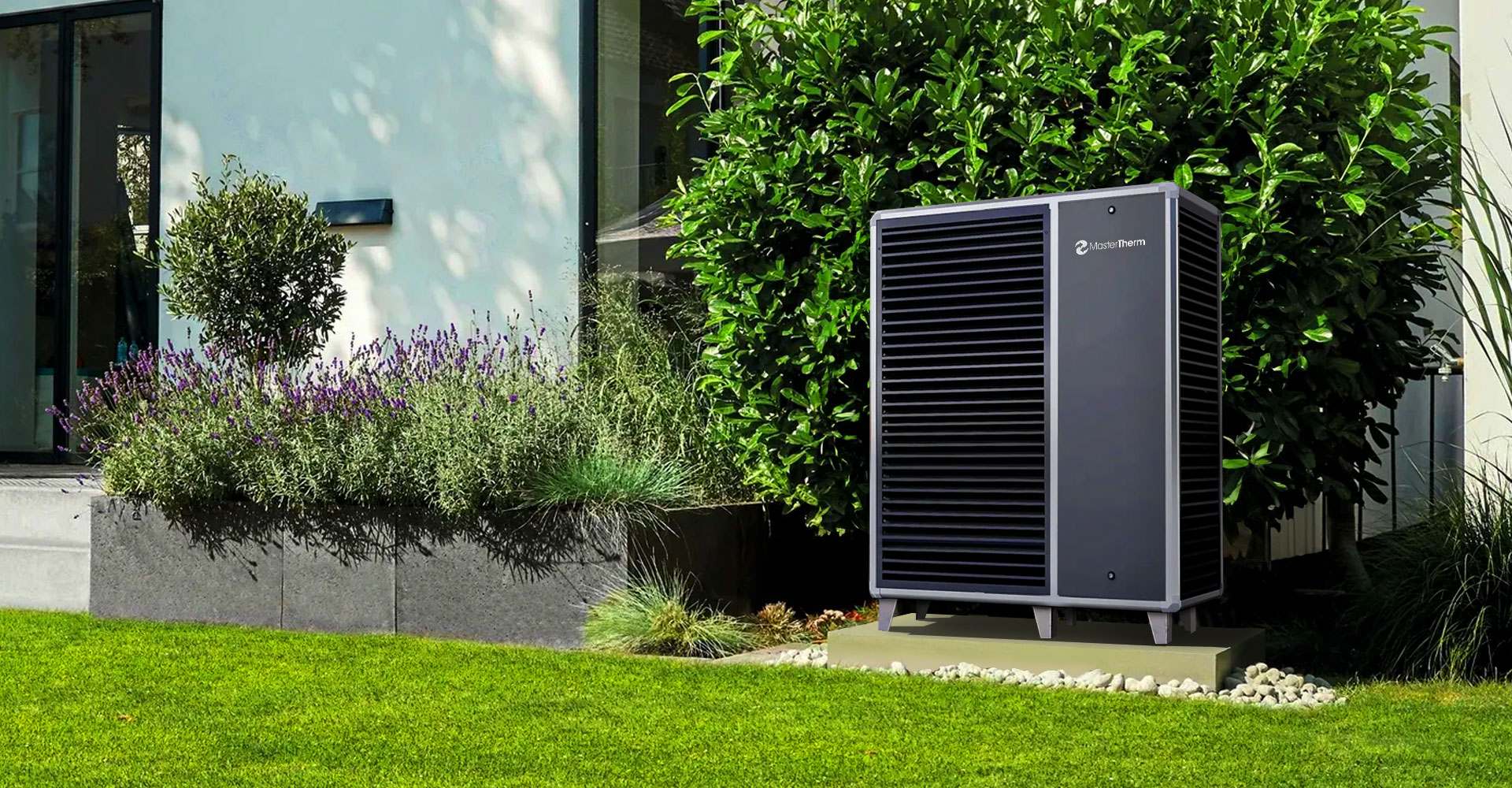
An air source heat pump (ASHP) extracts heat from outside air and uses it to warm your home and tanked hot water. Unlike traditional gas boilers, ASHPs run on electricity and can be much more efficient — especially when paired with good insulation and smart controls.
How Much an Air Source Heat Pump Costs in the UK (2026 Guide)
For an average UK home (around 3–4 bedrooms), the total installed cost of an air source heat pump typically falls roughly between £7,000 and £15,000 before grants.
That range covers straightforward installs where existing heating infrastructure (pipes, cylinders, etc.) is compatible with heat pump operation. More complex installs that require substantial system upgrades can cost more.
What You Pay For: Equipment, Labour & Extras
Here’s a practical breakdown of the main cost components you’re likely to encounter:
| Cost Component | Typical UK Range |
|---|---|
| Heat Pump Unit Higher capacity or higher efficiency models cost more, and proper sizing is vital to performance. | £4,000–£7,000 |
| Installation Labour This includes siting the outdoor unit, running refrigerant lines, connecting to radiators or underfloor heating, and setting up controls. | £2,000–£5,000 |
| Controls & Smart Thermostat Smart controls and thermostatic zoning can significantly boost efficiency and comfort. | £300–£1,000 |
| Hot Water Cylinder If your previous system didn’t use a cylinder (for example, a combi boiler), you’ll need a compatible hot water tank — unless your existing cylinder is heat pump compatible. | £500–£1,500 |
What You Pay For: Equipment, Labour & Extras
Here’s a practical breakdown of the main cost components you’re likely to encounter:
| Cost Component | Typical UK Range |
|---|---|
| Heat Pump Unit Higher capacity or higher efficiency models cost more, and proper sizing is vital to performance. | £4,000–£7,000 |
| Installation Labour This includes siting the outdoor unit, running refrigerant lines, connecting to radiators or underfloor heating, and setting up controls. | £2,000–£5,000 |
| Controls & Smart Thermostat Smart controls and thermostatic zoning can significantly boost efficiency and comfort. | £300–£1,000 |
| Hot Water Cylinder If your previous system didn’t use a cylinder (for example, a combi boiler), you’ll need a compatible hot water tank — unless your existing cylinder is heat pump compatible. | £500–£1,500 |
Factors That Influence Final Cost of an Air Source Heat Pump Installation
An “average” house is just a starting point — here’s what can push costs up or down:
Insulation quality: Better insulation means a smaller pump and lower running costs.
Existing heating system: Replacing a like-for-like gas boiler is simpler.
Property access and type: Flats, listed buildings, or homes with difficult outdoor space can require extra time and equipment.
Regional labour costs: Prices vary across the UK.
Running Costs: Why It Matters
The installation cost is one piece of the picture. Air source heat pumps are significantly more efficient than gas boilers because they transfer heat from the air rather than burn fuel. While electricity usually costs more per kWh than gas, heat pumps can produce 3–4 units of heat for every unit of electricity used, meaning lower overall energy use.
This efficiency can translate into lower annual heating bills — especially on a smart electricity tariff — and much lower carbon emissions.
Grants and Support
The Boiler Upgrade Scheme (BUS) is the main government support available in 2026. It offers a £7,500 grant toward the cost of installing an air source heat pump for eligible homeowners in England and Wales.
This can dramatically reduce your upfront cost and makes ASHPs accessible to far more households. Other incentives — like 0% VAT on heat pump installations — can also help reduce the net cost.
Is an Air Source Heat Pump Worth It?
If you plan to stay in your home long-term and improve insulation, an air source heat pump can be a smart investment. Many homeowners see payback over time through energy bill savings and enjoy reduced carbon emissions. When combined with other low-carbon technologies (like solar PV or battery storage), the value proposition becomes even stronger.
Air Source Heat Pumps - FAQ'S
The Boiler Upgrade Scheme is not nationwide across the entire UK. Currently it applies to England and Wales only, supporting heat pump and biomass boiler installations with up to £7,500 off costs. If you live in Scotland, you may be able to access support through the Home Energy Scotland scheme, which can include grants and interest-free loans for heat pumps. Northern Ireland does not currently have an equivalent BUS grant programme.
You might need new or larger radiators depending on your existing system and how your home retains heat. Air source heat pumps typically run at lower water temperatures than gas boilers, so older radiators can struggle to deliver enough heat. During the survey, a certified installer will assess whether your radiators, pipework, or controls need upgrading to optimise performance and comfort. This isn’t strictly a grant requirement but is often part of making the system work efficiently in practice.
A typical air source heat pump installation for a standard home takes around 2–3 days once the trades are on site. This includes positioning the outdoor unit, connecting indoor components, integrating with existing heating systems, and commissioning the controls. Complex installs (e.g., adding new radiators or significant wiring/plumbing work) may take longer; your installer will give a more precise estimate after survey.
Yes — your property must have a valid Energy Performance Certificate (EPC) to be eligible for the Boiler Upgrade Scheme grant. It must have been issued within the last 10 years. The EPC helps verify that your property can support a low-carbon heating system and shows the current energy efficiency of the home. Your installer will often request this as part of preparing the BUS application on your behalf.