Choosing a heat pump is a long-term investment, so it’s natural to ask how long your system will last.
Both air source and ground source heat pumps are known for their efficiency and reliability, but their lifespans can differ due to how they’re built and where they operate.
On this page, you’ll find clear, practical FAQs on the expected lifespan of air source and ground source heat pumps, what affects their durability, and how to get the most years out of your system. Whether you’re planning a new installation or assessing an existing one, these guides will help you make informed decisions.
How Long Does a Ground Source Heat Pump Last?
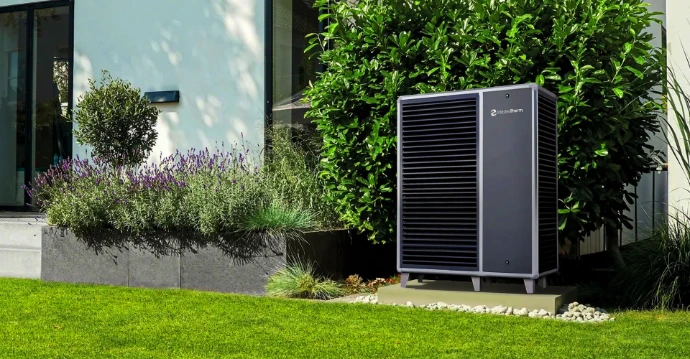
How Long Does an Air Source Heat Pump Last?
How Long Does an Air Source Heat Pump Typically Last?
Most air source heat pumps last 15–20 years. With excellent maintenance and favourable conditions, some systems can operate effectively for 20–25 years.
What Factors Affect the Lifespan?
Key factors include:
Installation quality: Proper sizing and professional installation reduce strain on components.
Maintenance: Regular servicing keeps parts clean, lubricated, and functioning correctly.
Climate and usage: Very cold climates or heavy year-round use can increase wear.
Build quality: Higher-quality brands and models often have longer service lives.
Environment: Coastal or dusty environments can accelerate corrosion or clogging.
How does Maintenance Impact Lifespan?
Routine maintenance can significantly extend service life. This includes:
Annual professional servicing
Cleaning or replacing filters
Keeping outdoor units clear of debris
Checking refrigerant levels and electrical components
How do Heat Pumps Compare to Furnaces or Boilers?
Traditional furnaces and boilers often last 20–30 years, which can be longer than a heat pump. However, heat pumps provide both heating and cooling and are typically more energy efficient, which can offset the shorter lifespan.
What are Signs a Heat Pump is Nearing the End of its Life?
Common signs include:
Frequent breakdowns
Rising energy bills
Reduced heating or cooling performance
Unusual noises or vibrations
Is it Better to Repair or Replace an Older Heat Pump?
A common guideline is the “50% rule”: if a repair costs 50% or more of the price of a new system, replacement is often more economical—especially for units over 12–15 years old.
Can you Extend the Life of a Heat Pump?
Yes. Schedule annual maintenance, change filters regularly, keep airflow unobstructed, and address small issues early before they become major failures.
What Happens to Efficiency as a Heat Pump Ages?
Efficiency can gradually decline due to wear, dirt build-up, and minor refrigerant losses. Older systems may cost more to run compared to newer high-efficiency models.
If you plan for 15–20 years of service and maintain the system well, an air source heat pump can be a reliable long-term heating and cooling solution.
Find Out More About Our Comfort Care Plan
How Long Does a Ground Source Heat Pump Last?
Ground source (geothermal) heat pumps typically last 20–25 years for the indoor unit, while the ground loop system can last 50 years or more. The buried components are protected from weather and physical damage, which helps them last longer.
What factors affect the lifespan?
Key factors include:
Installation quality: Correct loop design and professional installation are critical.
Maintenance: Regular checks keep the system operating efficiently.
Usage levels: Heavy year-round demand can increase wear on indoor components.
Build quality: Higher-quality equipment generally lasts longer.
Soil conditions: Properly matched loop design to soil type supports longevity.
How does Maintenance Impact Lifespan?
Routine maintenance helps maximize service life. This includes:
Annual professional servicing
Cleaning or replacing filters
Inspecting pumps and controls
Checking antifreeze levels and loop pressure where applicable
How do Ground Source Heat Pumps Compare to Conventional Systems?
Ground source heat pumps often outlast traditional furnaces and boilers, which typically last 15–30 years. Because geothermal systems rely on stable underground temperatures, they experience less stress and can deliver consistent efficiency over time.
What are Signs a Ground Source Heat Pump is Nearing the End of its Life?
Common signs include:
Frequent repairs
Noticeable drops in efficiency or comfort
Unusual noises from the indoor unit or circulation pumps
Increasing energy bills without another clear cause
Is it Better to Repair or Replace an Older System?
The “50% rule” is often used: if a repair costs 50% or more of a new system’s price, replacement may be more economical—particularly if the indoor unit is over 15–20 years old. Ground loops, however, usually remain usable for a new unit.
Can you Extend the Life of a Ground Source Heat Pump?
Yes. Schedule regular maintenance, keep filters clean, ensure proper system pressure, and address small issues promptly to avoid larger failures.
What Happens to Efficiency as the System Ages?
Efficiency can decline gradually due to component wear or reduced heat transfer performance. Even so, geothermal systems often maintain stable efficiency longer than many conventional systems.
With proper design, installation, and maintenance, a ground source heat pump can provide dependable heating and cooling for decades, making it a long-term investment in energy efficiency
Find Out More About Our Comfort Care Plan