
What is a Ground Source Heat Pump
A ground source heat pump (GSHP), sometimes called a geothermal heat pump, is a renewable heating and cooling system that uses the earth’s natural heat stored just below the surface to heat your home and provide hot water. Unlike traditional boilers, it doesn’t burn fuel — it simply moves existing heat from the ground into your home.
The ground stays at a fairly constant temperature year-round, typically warmer than the air in winter and cooler than the air in summer. This stable heat source makes GSHPs more efficient than air source heat pumps, because they work with a less variable temperature.

For every unit of electricity they use, they typically deliver 3–5 units of usable heat, making them one of the most energy-efficient heating technologies available.
Get Your Free Estimate →
Ground source heat pumps can heat water stored in a hot water cylinder for daily use (taps, showers, baths). They can often deliver water temperatures high enough to meet practical household needs, depending on design and system configuration.
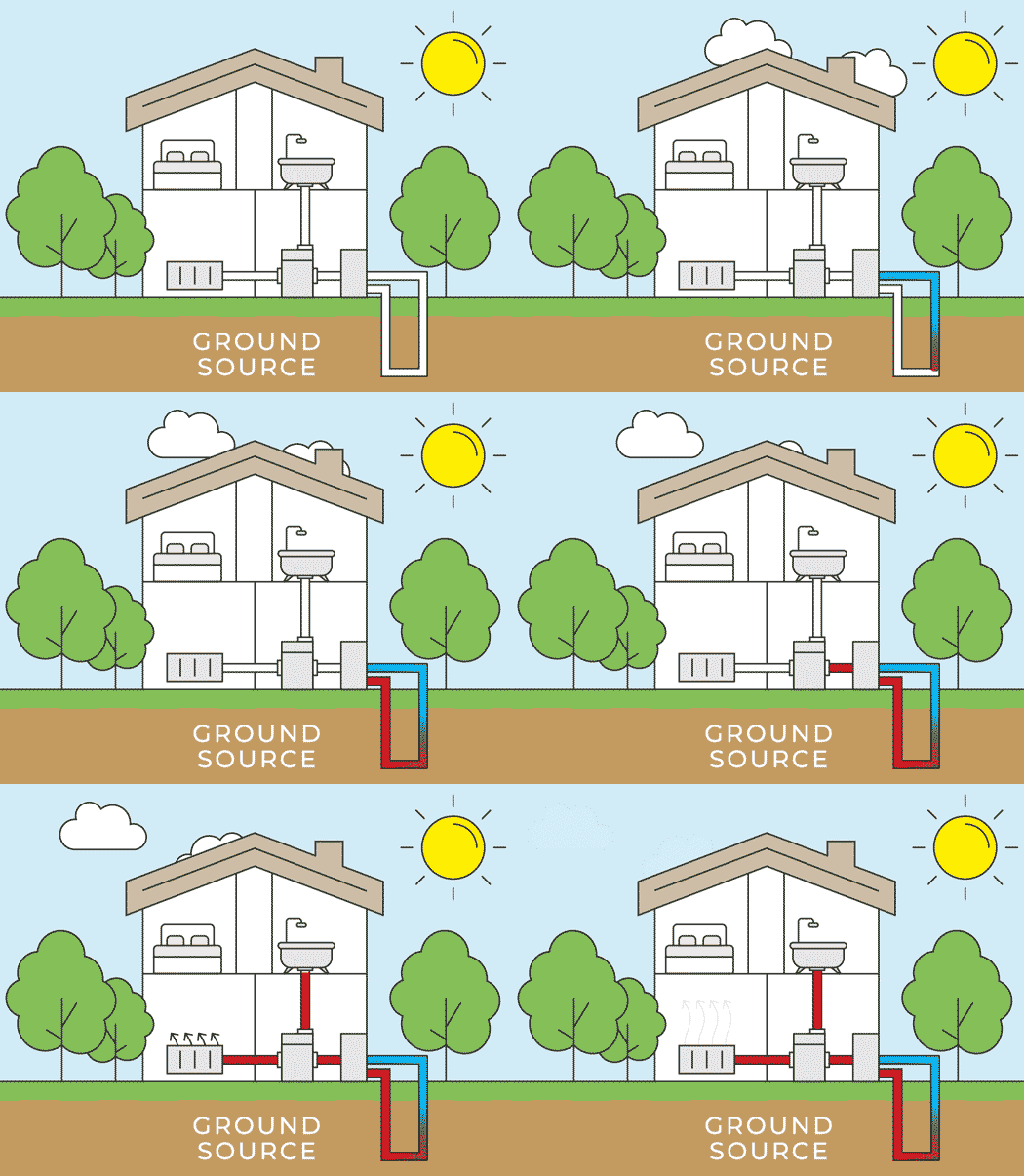
Click here for a more detailed explanation.
Check out some of our ground source heat pump case studies below:

Soughton House
A carbon-free solution for a large, multi-functional home including six bedrooms, gym, sauna, and swimming pool

Brookfield Drive
Affordable, energy-efficient housing for social rent in Cardiff.

Speke Hall
Tudor manor embraces modern sustainability while preserving its centuries-old charm