
An air source heat pump (ASHP) is a renewable heating system that captures heat energy from the outside air and uses it to heat your home and hot water.
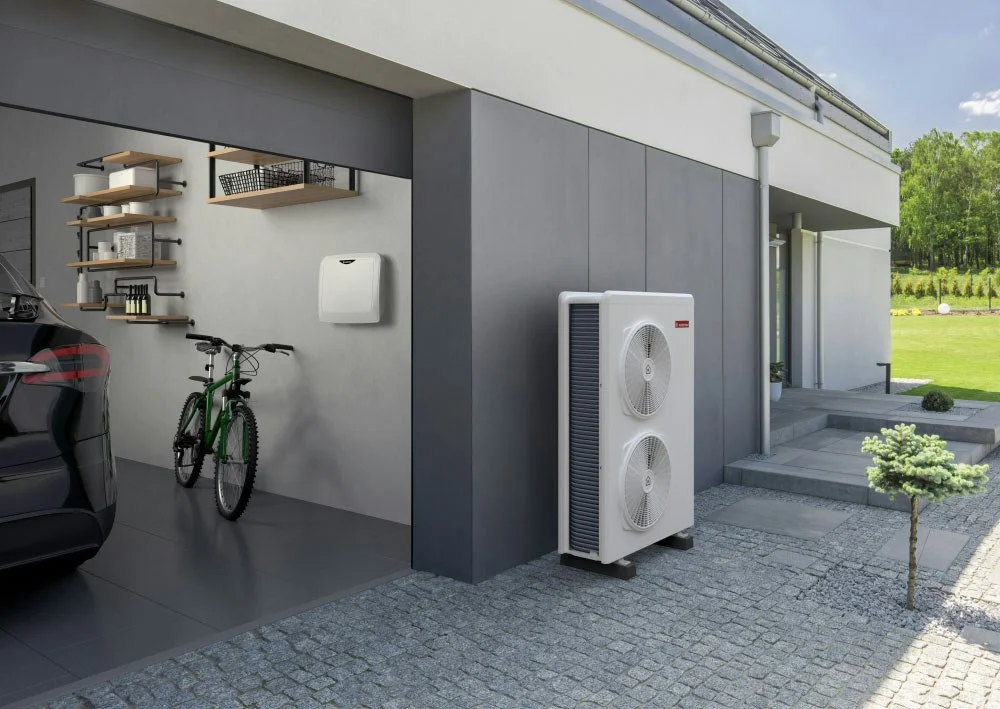
Even in cold weather, there is thermal energy in the air, and a heat pump can extract and upgrade that heat to a usable temperature. The system works through a cycle of evaporation, compression, condensation, and expansion. A refrigerant absorbs heat from the outside air, a compressor raises its temperature, and the heat is then transferred into your home’s heating and hot water system.
This process is extremely efficient because it moves heat rather than generating it by burning fuel. For every unit of electricity used to run the system, a heat pump can typically deliver three to four units of heat.
This is why air source heat pumps are often described as 300–400% efficient. In contrast, even the best gas boilers rarely exceed 94% efficiency. For homeowners looking to reduce carbon emissions and future-proof their home against rising fuel costs, air source heat pumps represent one of the most practical low-carbon heating solutions available today.
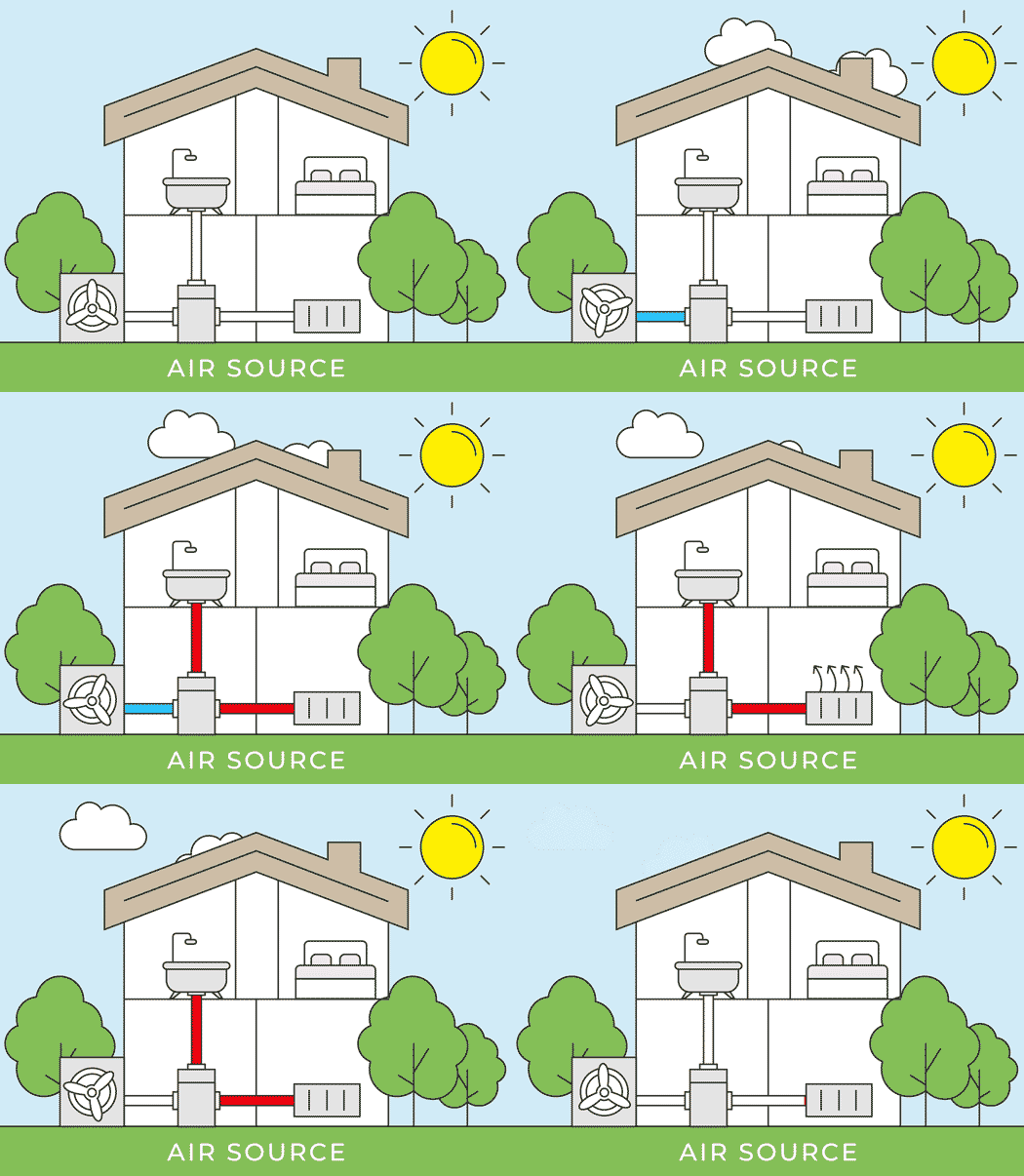
Click here for a more detailed explanation.
Check out some of our air source heat pump case studies:

Ffos Y Broga
Traditional Welsh family home benefits from and ASHP

St Nicholas Primary School
ASHP helps Primary School embrace innovative heating
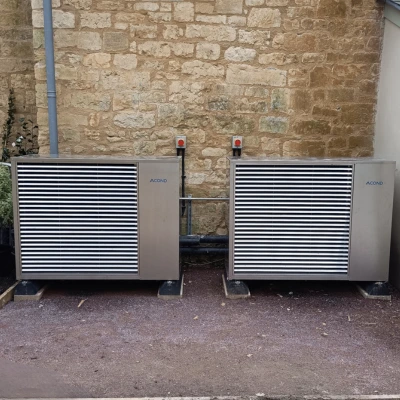
Seaborough Court
New build home incorporates ASHP