NESTA - Start at home with Thermal Earth
Heat Pump Confidence Starts at Home
Powered by Nesta | Delivered under MCS Umbrella Scheme
Whether you're a heating engineer, retrofit advisor, or community partner, this scheme offers a supported, hands-on route into heat pump installation—starting in your own home and progressing toward full MCS certification.
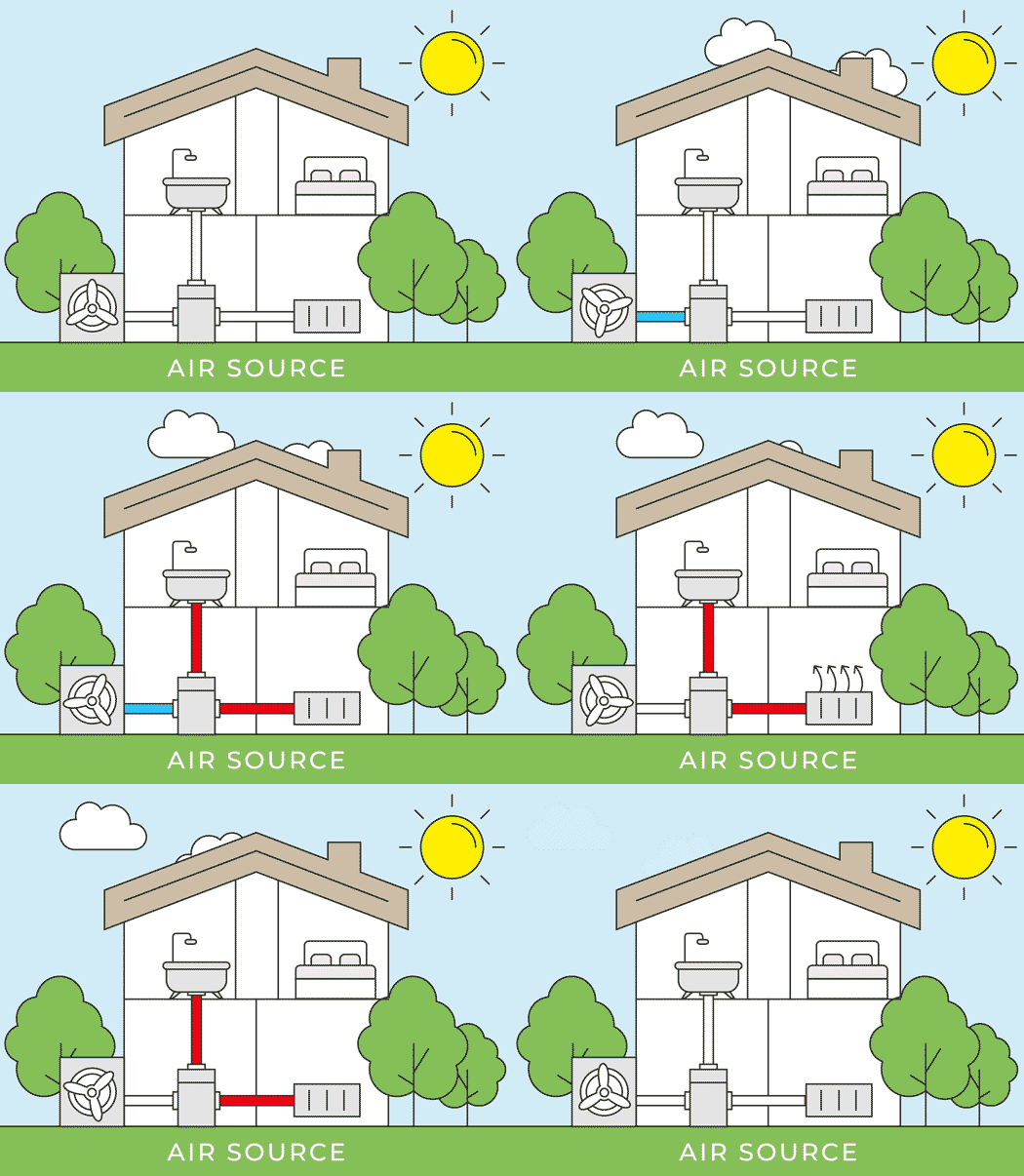
For Engineers: A Practical, Supported Pathway
We know the leap into low-carbon tech can feel daunting. That’s why we’ve combined Nesta’s Start at Home initiative with our MCS Umbrella Scheme—giving you the tools, training, and oversight to build confidence, credibility, and real-world experience.
What You’ll Get:
✅ Install a heat pump in your own home (or a close relative’s, if renting)
✅ Full kit delivered to site—no upfront costs
✅ Product training, heat loss calculations, and system design support
✅ Work under our MCS accreditation and BUS registration
✅ Build your portfolio toward full MCS certification
✅ Minimum 5-year warranty on all installations
How It Works
Step 1: Apply Online Confirm your eligibility: NVQ Level 2 in plumbing, G3 unvented qualification, and Water Regs certification. Don’t have them yet? We offer onboarding training.
Step 2: Install at Home Get hands-on experience with full kit delivery and installation support. You must own the heat pump upon completion.
Step 3: Join Our Umbrella Scheme Work on real installs under our MCS supervision. All installations are MCS certified and BUS compliant.
Step 4: Grow Your Portfolio Use your experience to apply for full MCS certification and unlock future opportunities.


Who Can Apply
To take part, you’ll need:
- NVQ Level 2 in Plumbing This is your foundation. If you’re unsure, we’ll help confirm your qualification status.
- Unvented Hot Water Qualification (G3) Don’t have it yet? We provide G3 training as part of onboarding.
- Water Regulations Certification Need a refresher? We offer Water Regs training to help you meet the criteria.
- A Suitable Property for Install We’ll help assess your home’s suitability and guide you through the design process.
What’s Included
Equipment (No upfront cost):
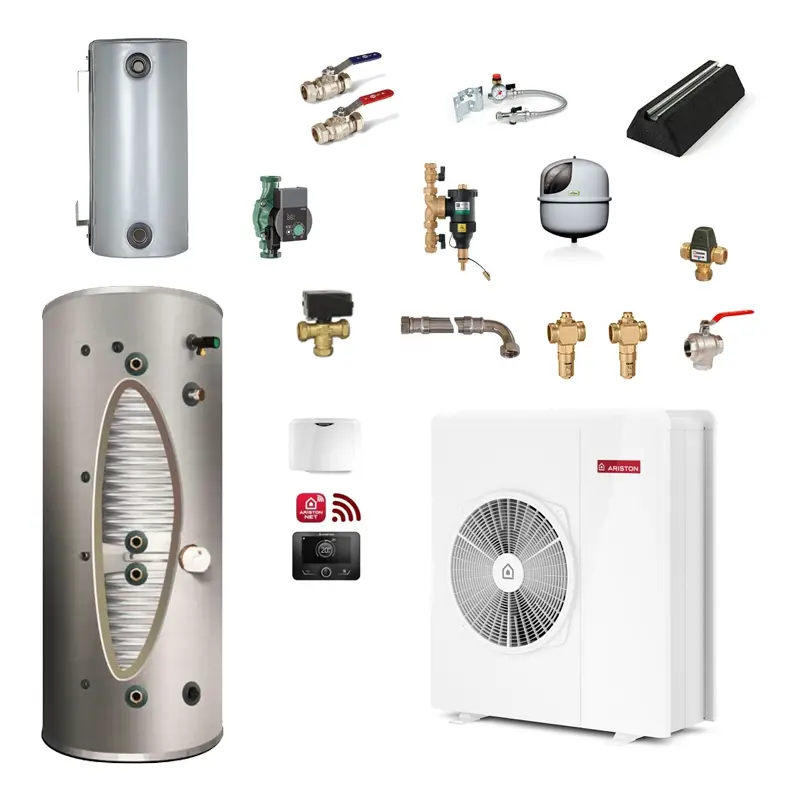
- Air source heat pump (up to 12kW)
- Hot water storage (up to 200L)
- System controls
- Heat pump-specific components (e.g. anti-vibration feet, valves)
- Delivery costs covered
Optional Equipment:
- Radiators
- General heating/plumbing components
- Electrical and wiring equipment

Support:
- Product training
- Heat loss calculation (guided or done for you)
- Heating system design (guided or done for you)
- Installation support (in-person or live call)
- Commissioning support (remote or in-person)
- MCS certification
- Minimum 5-year warranty (subject to annual servicing)
Optional Extra Support:
- Accredited heat pump training
- Cash for labour time
- In-person commissioning
Frequently Asked Questions
Together, they offer a launchpad for engineers and advisors to:
- Gain real-world experience
- Build trust with customers
- Accelerate the shift to low-carbon homes
- Access BUS grants (only available to MCS-accredited and BUS-registered installers)
As part of Nesta’s evaluation process, we may:
- Share surveys with participants
- Provide contact details for evaluation purposes
- Create a data-sharing agreement with Nesta
Engineers, retrofit advisors, and installers who are:
- MCS-accredited or working towards accreditation
- BUS-registered or planning to register
- Committed to low-carbon home upgrades
BUS (Boiler Upgrade Scheme) grants support low-carbon heating installations. They’re only available to:
- MCS-accredited installers
- BUS-registered professionals
Participants may benefit from:
- Hands-on training and mentoring
- Access to real-world projects
- Guidance on compliance and funding
- Branding and outreach support (where applicable)
Timelines vary depending on your role and region. Most placements or collaborations run for 3–6 months, with flexible onboarding.
By accelerating low-carbon upgrades, you’ll:
- Reduce fuel poverty
- Improve home comfort and energy efficiency
- Build local trust and resilience