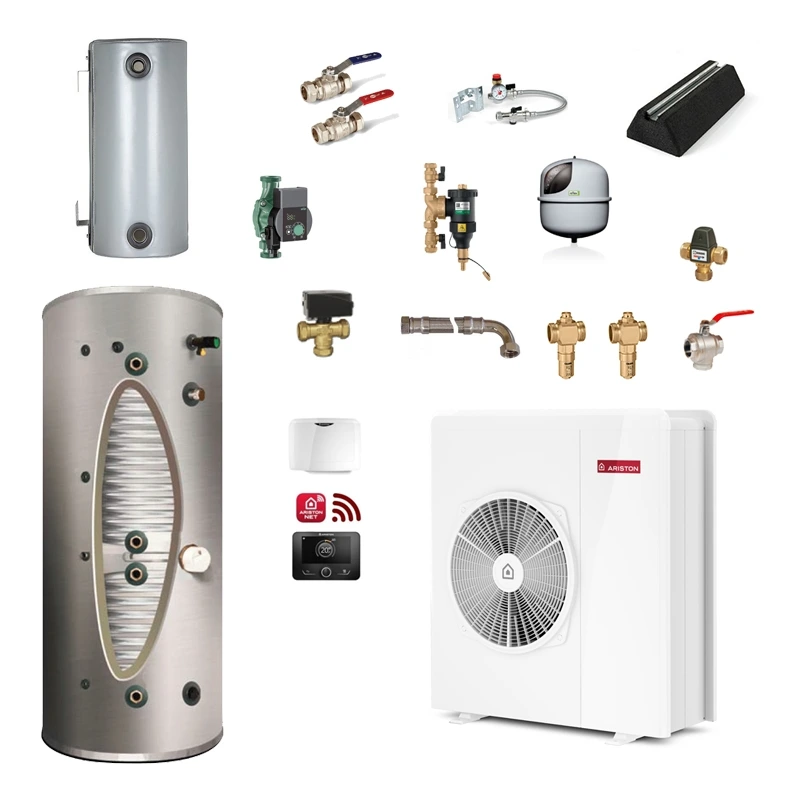
Do You Need a Hot Water Cylinder with a Heat Pump
Most heat pump systems use a hot water cylinder because they heat water gradually and store it for use. This ensures efficient operation and a steady supply of hot water.
Modern cylinders are highly insulated, meaning stored water stays hot for long periods with minimal heat loss. Many include large coils specifically designed for heat pump efficiency.
For homes moving from a combi boiler, adding a cylinder is part of the transition to low-carbon heating. The benefit is improved efficiency and reliable hot water availability.
A heat pump water cylinder (hot water tank) is usually bigger than a traditional combi-boiler cylinder, because heat pumps heat water more gently and rely on stored volume.
Think tortoise, not hare: slower heat-up, bigger reserve.
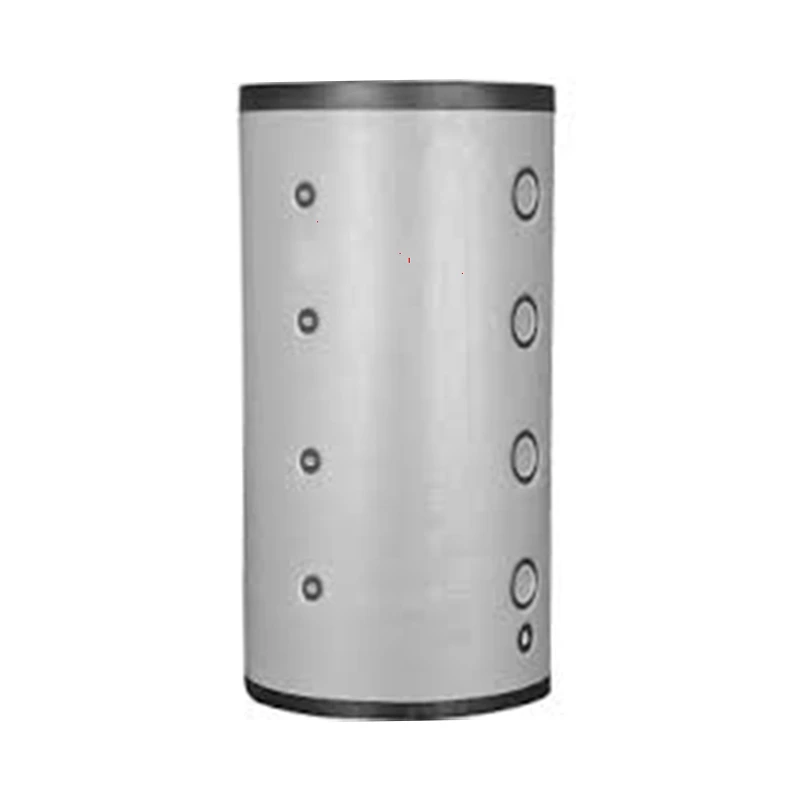
Typical Sizes of a Heap Pump Cylinder (UK homes)
For most homes, you’ll see:
• 180–200 litres → small to average households (1–3 people)
• 210–250 litres → common “family home” size (3–4 people)
• 250–300+ litres → larger homes or high hot-water demand
We often ballpark ~50 litres per person as a starting rule, then adjust for lifestyle (big baths vs quick showers, for example).
Physical Dimensions of a Heap Pump Cylinder (roughly)
Most cylinders are tall and slim:
• Height: ~1.3–1.8 m
• Diameter: ~500–650 mm
They often live in airing cupboards, utility rooms, or plant rooms.
What Makes Heat Pump Cylinders Different
They usually have:
• Larger internal coils (to transfer heat efficiently from the heat pump)
• Better insulation (to keep stored water hot)
• Lower temperature operation (typically 45–55°C rather than 60–70°C)
That design boosts system efficiency but nudges cylinder size upward.